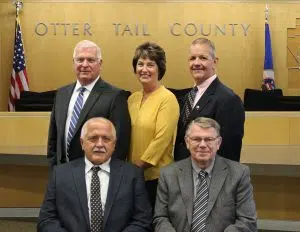
2021 OTC BOC
The Otter Tail County Board of Commissioners has unanimously passed an interim ordinance that places a one-year moratorium on the sale of THC edibles and beverages in Otter Tail County. The ordinance takes effect February 1, 2023 and places a pause on sales until there are measures in place to protect those who call Otter Tail County home from the potential negative impacts of these products as well as ways to ensure responsible retailing can be developed.
While the legislature set some regulations around the sale of these products, gaps remain. The new law is silent on requirements for licensing, monitoring and enforcement, training of the individuals dispensing these products, sales locations, prevention education, and several other topics which deserve further study and public input. These gaps in the law and the concern for public health and safety, particularly for youth, led the Otter Tail County Board of Commissioners to pass the ordinance.
Cities located in Otter Tail County that establish and pass a local ordinance that addresses licensing, rules, and other regulatory issues, may, by resolution of the city council, be exempt from this moratorium.
The City of Fergus Falls had the first reading of City’s THC ordinance at Monday’s City Council meeting, with the ordinance projected to go into effect near the end of January.
Read the City of Fergus Falls Ordinance Here.
“The support by our Board of Commissioners to take steps to ensure the health and safety of those who call Otter Tail County home is valued. While we hope the Minnesota Legislature will further address this issue next session, we now have some time to really review what we need to do here in Otter Tail County,” said Jody Lien, Otter Tail County Public Health Director.
The Otter Tail County Board of Commissioners listened to public comments during a scheduled public hearing on Monday, November 21, and used the feedback in their decisions.
County Commissioner Lee Rogness commented at the recent board meeting, “When we listened to the public most seemed in favor of licensing, compliance, and age restrictions. We feel this (moratorium) gives an opportunity for cities to hold responsibility for licensing and create their own ordinances while allowing time for the County to put in place protections, especially for our youth.”






FOLLOW US FOR INSTANT UPDATES!


FOLLOW US FOR INSTANT UPDATES!